


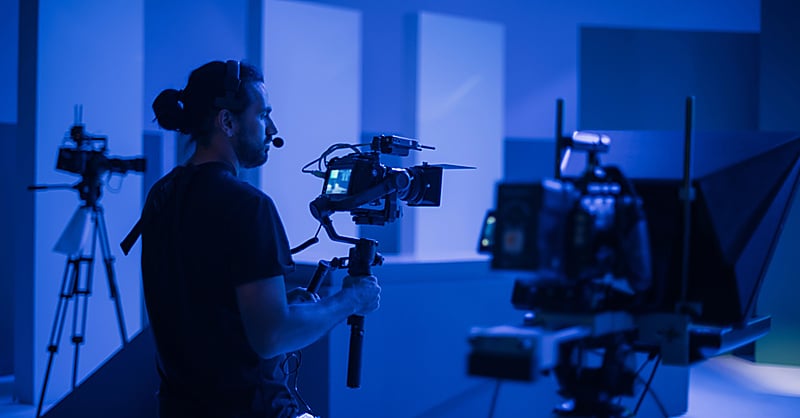
Trust grows when audiences see real people, physical settings, and honest reactions. A live action video gives a brand visible proof of its people, product, and working culture. That proof feels easier to believe than polished claims without human context. It also lets viewers judge how a product works in familiar situations. The strongest results come from deliberate choices about casting, setting, sound, and story. Those choices shape authenticity before the camera starts rolling. The following principles explain how.
Authenticity begins before filming
Real footage gives viewers details they recognize: a person’s expression, a product’s texture, and the sound of an actual setting. Those details reduce distance between a brand and its audience. They also make claims easier to assess because viewers see evidence rather than only graphics or narration. For brands promoting a service, live action video production puts that explanation inside a setting that supports the claim. A technician can demonstrate a process, while a customer describes a result in natural language. The footage gives viewers visual proof, and surrounding details help them remember the message after the video ends.
Authenticity begins before filming. A specific problem gives the story a clear purpose. Casting should match the message. A real employee explains a technical service with knowledge that an actor cannot imitate. A customer describes a result with details that sound personal. The goal is a believable account that fits the brand’s actual behavior. Preproduction should test every claim against what viewers will see on screen. This discipline keeps the story credible after editing removes extra words.
Human faces carry context
People read faces quickly. A relaxed subject, natural eye contact, and a measured speaking pace create signals that scripted copy cannot supply alone. Interviews work best when prompts invite experience instead of rehearsed slogans. The speaker should explain what happened, why it mattered, and what changed afterward.
Editors should keep brief pauses and useful imperfections when they support honesty. Heavy retouching, forced reactions, or repeated takes remove evidence viewers trust. To build a strong brand image, your video production must look authentic. Wardrobe, lighting, and framing should fit the brand without making every person look identical. This balance gives the video a human voice that audiences remember.
Show the product in use
Product demonstrations need physical proof. A camera should show the item operating under conditions that resemble customer use. Close shots clarify controls, materials, and movement. Wider shots explain scale, placement, and the surrounding workflow.
A presenter should describe the action in plain language, then let the image carry its share of the explanation. This approach prevents narration from making claims the footage cannot support. Demonstrations also reveal limits. Showing setup time, cleaning steps, or handling requirements answers practical questions before purchase. Clear evidence builds confidence because viewers see how the product fits daily work.
Let sound and setting do work
Setting communicates before anyone speaks. A busy workshop, quiet office, or active retail space tells viewers where the brand operates. The location should support the claim rather than act as decoration. Natural room sound adds information, provided it does not cover dialogue.
Footsteps, machine noise, or a closing door can place a scene in real time. Clean audio still matters, so microphones should capture voices clearly. Editors should remove distracting noise without making the environment feel artificial. Music should shape mood without telling viewers what to feel. Color correction should keep skin tones and materials believable.
Plan for credibility
Production choices affect credibility after filming. A short cut should remove repetition, not hide missing evidence. Captions should match spoken words and identify speakers when context requires it. Graphics can explain a measurement or process, but they should remain secondary to live footage.
Editors should check every statement against the recorded scene. If a claim needs qualification, the script should include that limit. This practice protects accuracy and keeps audience expectations grounded. Versions for a website, social channel, or sales presentation should preserve the same facts while adjusting length and framing. A clear review process catches errors before publication.
Conclusion
Authenticity grows when production decisions support the truth a brand already lives. Real people, useful settings, clear demonstrations, and honest sound give viewers evidence they can assess. The practical next step is a short creative brief that names one audience, one problem, and one proof point. That brief should guide casting, location, script, and review. A focused live action video then earns attention through evidence, not empty claims, on screen.



