- Quartermaster raised $140M, including a $100M Series B led by Insight Partners and $40M in debt.
- Its SmartMast sensors are on more than 650 vessels in 25 countries, with over 800 units shipped.
- The company argues insurers left the Strait of Hormuz because nobody could see the risk.
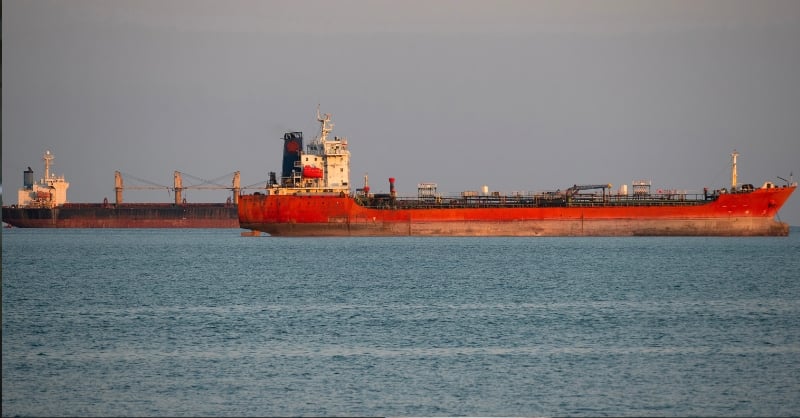
On a single day in late February, commercial ships across the Gulf stopped knowing where they were. Vessels in Emirati, Qatari, Omani, and Iranian waters were told they were somewhere they were not, as military operations jammed and spoofed navigation signals, Quartermaster says. None of the ships was the target. By March, the company says, several major underwriters had stopped writing cover for the region, and traffic through the Strait of Hormuz plummeted.
Arlington, Virginia-based Quartermaster has raised $140 million to build the missing view: cameras and radios bolted to the masts of working ships. The round, announced on September 28, combines a $100 million Series B led by Insight Partners with a $40 million venture debt facility from investment bank Stifel. Overmatch Ventures, a defence-focused firm, is a new investor.
First Round Capital, Quiet Capital, Steel Atlas, TMV Logistics, BoxGroup, and Operator Partners returned. The round follows a $43 million Series A on May 20, which takes disclosed funding to at least $183 million, debt included.
Building the ocean’s missing data layer
Founded and led by CEO Neil Sobin, Quartermaster has developed SmartMast, a weather-hardened system that combines cameras and radios mounted on a vessel’s mast.
More than 650 vessels in 25 countries carry one, and the company has shipped more than 800, a gap TechCrunch attributes largely to fleet-wide rollouts that are about to start. Coverage has reached almost 46 million square kilometres, up 77% since May, Smart Maritime Network reported.
Operators pay nothing beyond space on the mast. Quartermaster supplies the hardware, installation, support, route hazard alerts, and broadband internet at sea. In return, the sensors feed a shared network that insurers, fleets, and energy operators can use.
The company was founded in 2023, according to Preqin. Sobin says on LinkedIn that he helped build Hivemapper’s network of everyday vehicles that mapped the world block by block, so this is a second sensor network riding on other people’s vehicles. Chief growth officer Steve Ribaudo was previously vice president of growth at Anduril, according to the company’s website.
Why insurers care about seeing the water
Quartermaster’s case rests on Hormuz. On July 2, its first SmartMast unit transited the strait, Sobin said in a LinkedIn post. S&P Global reported on July 22, citing a senior manager at broker Marsh, that war risk premiums for Hormuz transits had reached as much as 10% of hull value. Ceto raised $4.8 million in April 2025 to link ship data to insurance premiums, another route into the same market.
Nick Sinai, a managing director at Insight Partners, said in a statement to TechCrunch: “Quartermaster is building a distributed network for the ocean, where reliable, real-time data has been difficult to come by. The team’s execution and the strong demand for maritime data and awareness made this an investment we wanted to lead, and we’re proud to back Neil and the team as they scale to meet the opportunity with commercial fleets.”
Insight, a Databricks backer that closed a $12.5 billion thirteenth fund in January 2025, also led radio-frequency geolocation company HawkEye 360’s $145 million Series D alongside Seraphim Space, according to Insight’s website.
Precedence Research values global maritime surveillance at $28.36 billion in 2026 and projects $50.93 billion by 2035, a 6.72% compound annual growth rate, though definitions vary between research firms.
The race to make the ocean smarter
Quartermaster is not alone in selling ocean intelligence. Oshen raised $5 million in August to scale its C-Star ocean robots. Online Oceans raised £4 million in April, led by Seraphim Space, for solar-powered autonomous surface vessels. Saildrone raised $60 million in May 2025 for a European maritime security hub, and Kraken Technology Group raised $175 million at a valuation above $1 billion in July.
Those companies build new vessels. Quartermaster fits sensors to ships already at sea and turns them into nodes in a distributed network.The new money is earmarked for engineering hires and more vessels on busy fishing grounds and shipping lanes.
If insurers begin pricing risk on a strait from Quartermaster’s data, the network of masts it has built becomes an asset rivals cannot copy quickly. If they do not, it has built a large sensor network that still has to prove who will pay for what it sees.