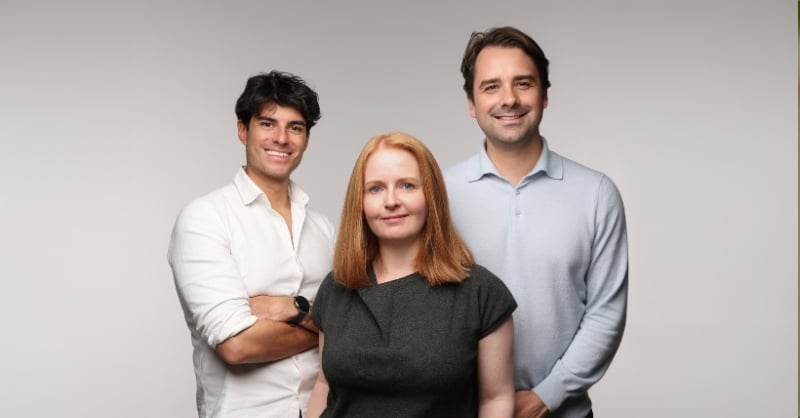
- Cori Clinical raised a $4 million seed round led by Breega.
- Its AI workspace tests trial designs against past studies and regulator guidance.
- Cori says it works with two of the top five enterprise CROs globally.
Three in four clinical trial protocols need amending at least once, according to the Tufts Center for the Study of Drug Development. Cori Clinical, a London startup, wants software to catch those errors before a trial opens.
The company has raised $4 million in seed funding led by Breega. Enzo Ventures, Heartfelt, Together Ventures, and Bynd also took part. It will use the money to expand its delivery capacity, grow its clinical, engineering, and commercial teams, and deepen the regulatory and clinical intelligence in its platform.
“Clinical trials are built through a series of interconnected decisions about how a study should be designed and run. Today, much of the knowledge and precedent behind those decisions is scattered across previous trials, siloed teams, internal systems and separate documents. Cori brings that intelligence together into a living blueprint, so teams can make better-informed decisions before avoidable problems become delays, so the science never waits on the process,” said Jorn Jansen Schoonhoven, co-founder and CEO of Cori Clinical.
Where trials lose money before they begin
Trial teams often work across fragmented documents, previous studies, internal knowledge, and regulatory sources. That makes it hard to see how an early design decision could affect recruitment, budgets, timelines, or regulatory requirements later.
The cost is measurable. A Tufts CSDD survey run in 2022 and published in 2024 found that 76% of protocols had at least one amendment, up from 57% in an earlier study. An earlier Tufts CSDD analysis, published in 2016, put the median direct cost of a substantial amendment at $141,000 for a Phase II protocol and $535,000 for Phase III. Cori’s announcement adds that amended protocols were also associated with longer recruitment and overall study durations.
Cori, incorporated in December 2024 according to UK Companies House records, puts those scattered sources into one AI workspace. It combines an organisation’s internal clinical-trial knowledge with external intelligence from trial registries, regulatory guidance, and public sources, including the US Food and Drug Administration, the Medicines and Healthcare Products Regulatory Agency, and the European Medicines Agency.
Teams can use it to turn an initial trial brief into a full protocol, submission package, and operational plans. When new guidance is published, Cori builds it into the workspace and flags the risks and decisions that matter. The company calls the result a “living blueprint” for a trial, and says clinical teams keep responsibility for judgement and approval.
The product targets sponsors and contract research organisations, known as CROs. Cori’s website pitches sponsors on running trials with a lean team, and CROs on defending their bids and keeping their margin.
Early proof, and a crowded field
Cori estimates its approach could cut average trial set-up costs by at least 33%. The estimate rests on internal modelling of average set-up costs, historical modification rates, and time to “first participant in.” In an internal evaluation benchmarked against amendments from completed trials, its AI reviewer flagged 82% of protocol errors classified as avoidable.
Cori says it already works with two of the top five enterprise CROs globally. It has not named them or said whether they are paying customers. It also counts Erasmus MC, an academic medical centre and university hospital in Rotterdam, among its customers. Cori supported two trials there, in neurosurgery and neuro-oncology.
The company says the funding will help turn growing interest from CROs and pharmaceutical companies into deeper commercial relationships, which suggests those ties are still early.
Rivals are better funded. Barcelona-based Biorce raised a $52 million Series A in February 2026 for Aika, an AI platform built on around one million clinical trials and designed to limit protocol amendments. The round was led by DST Global Partners. Biorce’s model rests on that historical dataset, while Cori leans on each customer’s own protocols, budgets, and bids.
Lindus Health, which Cori’s chief clinical officer helped scale before joining, raised a $55 million Series B led by Balderton Capital in January 2025. Cambridge-based Qureight, which focuses on imaging for lung and heart trials, raised a $20 million Series B in July. Investors are also backing the biotechs that run these trials: Eli Lilly, PGGM, and KfW Capital backed Forbion’s €2.3 billion fund for 30 biotechs.
The founders and the backers
Schoonhoven and Patricio Fernández founded Cori. Schoonhoven previously worked at Amazon and IBM on supply-chain systems, robotics, and life-sciences applications.
Cori’s website adds that he led data science teams at both, served as IBM’s chief of staff for Europe, the Middle East, and Africa, and invested in AI startups at Octopus Ventures before starting Cori. Fernández, the chief technology officer, led data science at Sanofi and AstraZeneca. His roles included data science director at AstraZeneca’s Evinova, according to the website.
“Clinical trial start-up is a critical but often overlooked bottleneck in drug development, with months lost between designing a trial and enrolling the first patient. Cori is bringing the intelligence and connected workflows needed to make that process faster, and we’re excited to back Jorn, Patricio and Emma and the team as they bring this powerful capability to more trials,” said Matthieu Vallin, partner at Breega.
“Clinical trials are moving from fragmented documents to structured, machine-readable systems. Cori is building the source of truth underneath that shift, led by a team that has lived the pain firsthand and has exceptional founder-market fit. We believe they can become a core infrastructure layer for how trials are designed and run,” added Edgar Vicente, founding partner at Enzo Ventures, a fund founded in 2020 .
Whether Cori becomes more than a promising seed-stage tool will depend on how many of its CRO relationships turn into named customers.